Hey fellow seniors and anyone else stressing about life after graduation.
Picture this: You’re scrolling TikTok, planning your senior prank, or arguing with friends about where to apply for college… and suddenly someone drops the word “draft.” Yeah, that old-school thing from history class about getting called up to fight in a war. No, the U.S. hasn’t had an actual military draft since 1973, and we’re still an all-volunteer force. But the government keeps a list just in case of a huge national emergency. And as high school seniors are now turning 18 or above, this stuff is about to hit closer to home.
First, the Big Change Coming Soon
Right now, most guys have to register themselves online or at the post office within 30 days of turning 18 for Selective Service.
Starting in December 2026, it’s going to be automatic. The government will pull your info from places like Social Security or DMV records. No more “did I forget to sign up?” drama for eligible guys. Women still don’t have to register.
Who has to be on the list? Pretty much every male U.S. citizen or immigrant ages 18–25. That includes green card holders, refugees, asylum seekers, undocumented guys, and most visa holders, except some short-term student/tourist visas while they’re valid. If you’re already in the military full-time on active duty the whole time from 18 to 26, you skip it. You are also exempt if you are enrolled in a miltary academy such as West Point or Annapolis. People who are institutionalized or incarcerated are also exempt.
What Happens If You Just… Don’t?
Until it becomes automatic, skipping registering for Selective Service is a federal felony. The max penalties are wild –up to a $250,000 fine or 5 years in prison. In real life, people rarely go to jail for it anymore, but you can kiss goodbye federal student loans, Pell Grants, and a bunch of federal jobs.
What if there is a draft? What happens then? (The Lottery & Your Options)
No draft is happening right now, but if Congress and the President ever bring one back, they’d do a lottery by birthday. They would draw birthdays for the order, and then they’d start calling up 20-year-olds first, then those who are 21, 22, 23, 24, 25, and then 19, and 18 year olds. In that order.
Can you get out of serving? Here’s where your beliefs come in:
Ministry or Divinity Deferrment: You have to register, but if you are in school to be clergy, you can defer being drafted.
Conscientious Exemption: If you have strong religious, moral, or ethical reasons against war (not just “I don’t like this one war”), you can apply for an exemption. You have to prove it’s sincere. You may be asked to write a statement, gather letters from people who know you, and you may be talking to the local draft board.
You may still have to serve, but in a non-combatant role. You’d do alternative civilian service — working in hospitals, schools, environmental cleanup, or other stuff that helps the country for about the same time as military service (usually 24 months).
NOTE: Even active-duty soldiers can apply for a conscientious exemption if their views on fighting change big-time (some numbers have gone up during tough conflicts).
Hardship Exemption: If you are the sole supporter of a child or elderly parent, you can get a postponement.
Are there any other ways to delay or avoid serving?
It’s not a free pass, but there are some breaks:
- High school students: fortunately, this can be postponed until you graduate or turn 20 — whichever comes first.
- College students can postpone until the end of the current semester. Student deferments aren’t like the Vietnam days, where college basically got you out forever. These are just temporary pauses.
Quick History Lesson (Because Numbers Are Wild)
In past wars, the draft pulled in huge numbers:
- World War I: About 2.8 million inducted
- World War II: Over 10 million
- Korean War: Around 1.5 million
- Vietnam era: About 1.9–2.2 million
That’s why people still talk about it, because it changed millions of lives fast.
So… What Does This Mean for Us Seniors?
Most of us are just trying to survive finals, pick a college major, or figure out if trade school or the workforce is the move. The draft feels like something from grandpa’s stories… until global stuff, like the conflict in Iran, heat up and people start asking questions again. Automatic registration means less hassle for most guys, but it also reminds us, the system is still there and fully activated.
Fear, Uncertainty, and Real Reactions
Even without an active draft, the idea alone is enough to spark anxiety.
Some students are openly worried.
“I’m terrified… I don’t want to go to war or something. I don’t even know anything about it,” one senior admitted.
Others frame the issue as one of personal freedom.
“Choosing not to go to the military is something that should be an option, not something we’re forced to do,” said another senior.
And for some, the reaction goes even further.
“I think I’ll move out of the country,” a 3rd senior said. “I don’t think I want to die for something I don’t know about.”
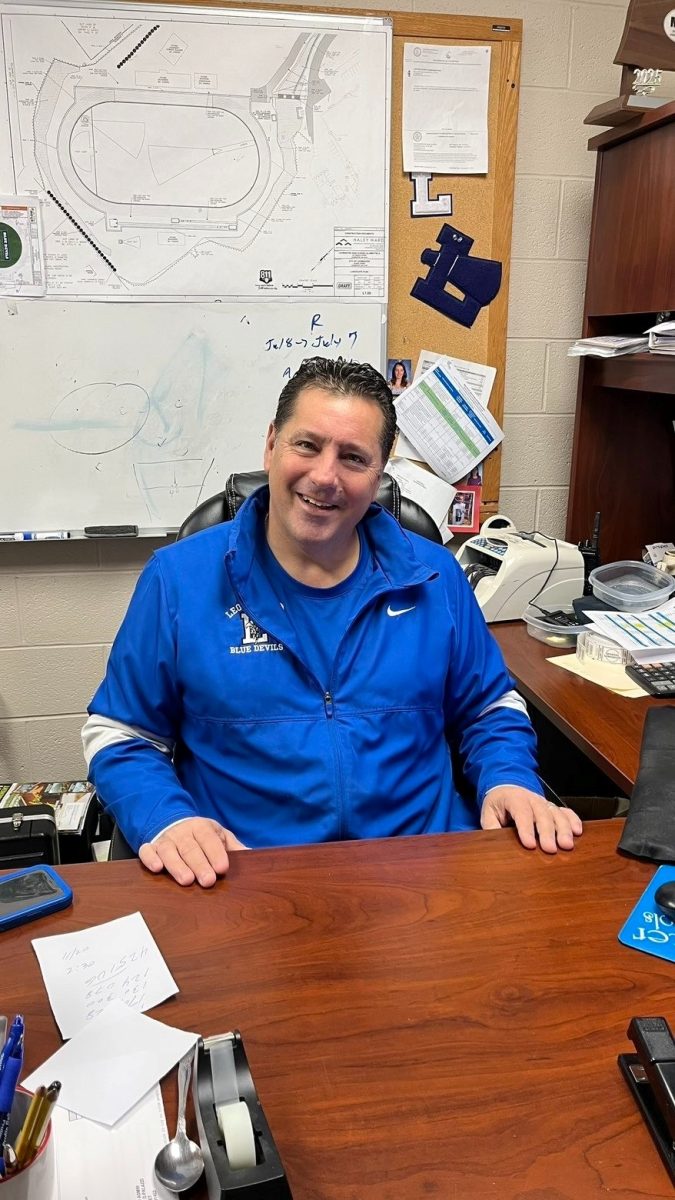
Breaking the Biggest Misconceptions – I spoke to our principal, who is also an Active Colonel in the Massachusetts National Guard
One of the most important takeaways, according to our principal, Dr. Joshua Romano, is that registration does not mean immediate military service.
“The misconception about the draft is that it means that you’re going into the army, and it doesn’t.”
In fact, reinstating a draft would require action from both Congress and the President. Even then, a lottery system would determine who gets called, and options like deferments or conscientious objection could apply.
In other words, registration is preparation, and not deployment.
So What Does This Mean for Seniors?
Right now, most seniors are focused on graduation, college decisions, jobs, and figuring out life after high school.
The draft feels distant until conversations like this bring it back into focus.
Automatic registration may simplify the process, but it also serves as a reminder: the system still exists.
Some see it as fair; a shared responsibility if the country ever faces a major crisis. Others see it as a threat to personal freedom and future plans.
Both perspectives are real. And both are worth discussing.
The Bottom Line
No one is getting drafted anytime soon, but things change fast, and so all of us should be aware of these changes as we move forward
As our principal put it, “Stay calm about it right now. Don’t worry about it.”
Because at the end of the day, this isn’t about panic. It’s about awareness.
And as the Class of 2026 steps into the real world, that awareness might be just as important as anything learned in the classroom.