The LHS vending machines have been a hot topic lately, especially with students wondering why the snacks seem “different” from what they buy at the store and why there’s no soda anywhere. The Devil’s Advocate of LHS sat down with Bob Burr, Food Service Director for Chartwells, to get the full story.
The first question was why Leominster High School had snack vending?
“These snack machines give students another opportunity to grab something quick between classes, during a break, in the cafeteria, study hall, or before lunch if they’re hungry,” said Burr.
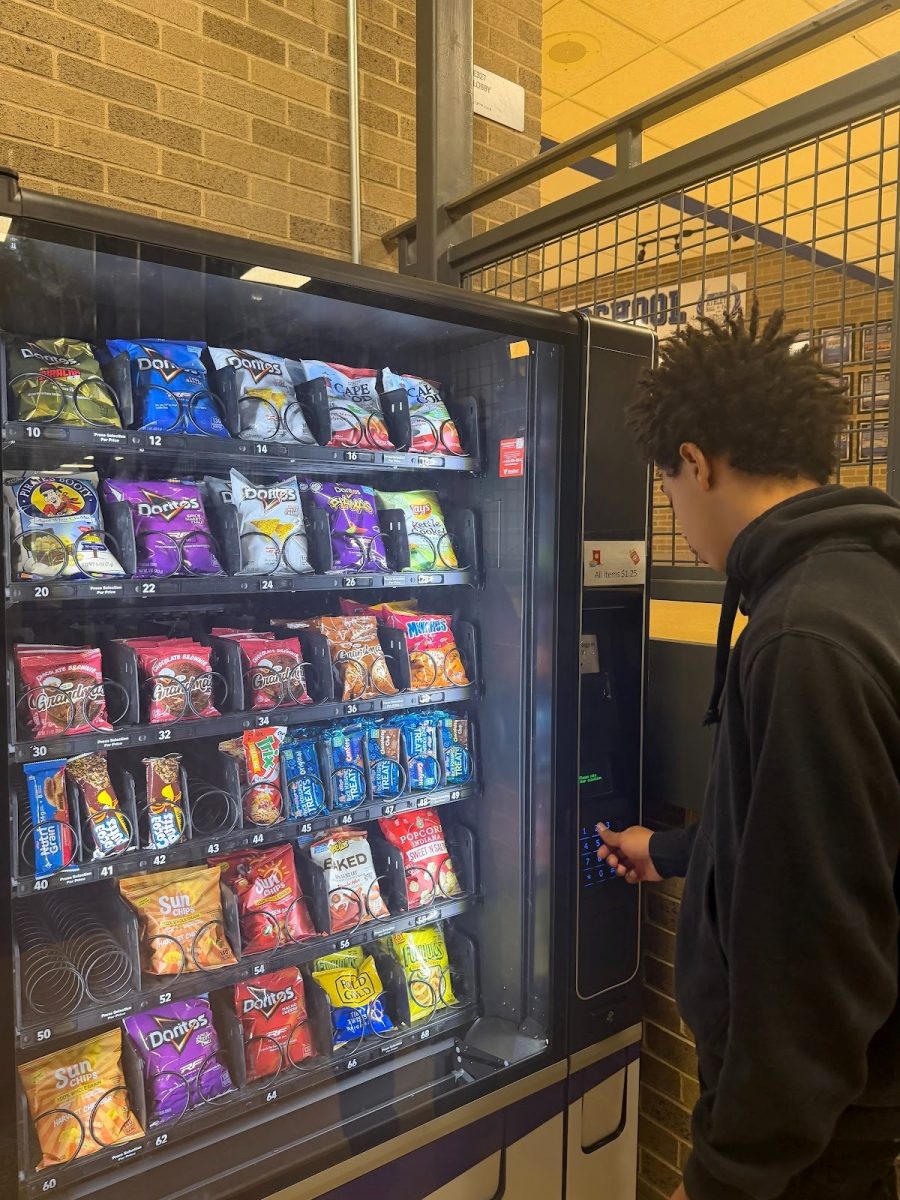
Some people think most students hit the vending machines for junk food instead of eating in the cafeteria, but Burr explained that the USDA and state regulations control everything sold in those machines, so they can’t actually be “junk food.”
Every item has to meet strict calorie, sodium, sugar, and portion-size limits.
“For example, you could buy regular Doritos at a convenience store, ” Burr said, “but at school, the machines can only carry reduced-fat Doritos with lower calories and (less) sodium.”
We asked him why there are no soda machines. He said that at the high school level, the rules only allow water and certain sizes of juice. Since students already have juice options at lunch, the school machines are stocked only with water. He added that there is one contractor-owned machine with Gatorade near the gym, but it’s only turned on after school for sports when the students are not in school.
We also asked him if they know the nutritional value of the snacks in the machines, and he said, “The snack has to be checked for nutrition levels before it goes in the machine.”
Burr uses the USDA’s online calculator and the John Stalker Institute’s “Smart Snacks” website to ensure each item is approved for K-12 schools. That means the snacks in school vending machines are actually different versions from the ones sold outside. Everything is the special “school-compliant” type. Energy drinks are completely banned because of the sugar limits and the caffeine in them, which is not good for students
When asked where the money raised by the vending machines goes, he explained, “The money from the machines goes into a revolving account in the food service department, and any extra at the end of the year gets put back into the program for things like new ovens, chairs, or repairs.”
When it comes to deciding what goes in, Burr has to follow whatever the USDA allows, and he works with vendors who make the school-approved versions.
“The top three best-selling items right now are Flamas Doritos (the spicy ones), regular reduced-fat Doritos, and Flamin’ Hot Cheetos,” he said. “Cape Cod chips, reduced-fat Lay’s, and Pirate’s Booty are also moving fast this year,” he added. “The team watches inventory, does samplings, and switches things up because student tastes change every year.”
On the question of whether students spend too much money on vending snacks instead of eating the free cafeteria food, Burr said it really depends on the student. Athletes especially get hungry during the day and need extra fuel for practice, so they’ll grab a snack for quick carbs and energy even after eating their free meal.
On the question of whether students spend too much on vending snacks instead of eating the free cafeteria food, Burr said, “It really depends on the student. Athletes especially get hungry during the day and need extra fuel for practice, so they’ll grab a snack for quick carbs and energy even after eating their free meal.”
Are there any concerns about theft? Burr said, “newer machines have security features so nobody can reach up and grab free items, and if money gets stuck or something doesn’t drop, students can come straight to the food service office and get it fixed right away.”
Next time you’re buying Flamas out of the machine, now you know that there are a lot more rules and healthier versions behind that bag than you may think.